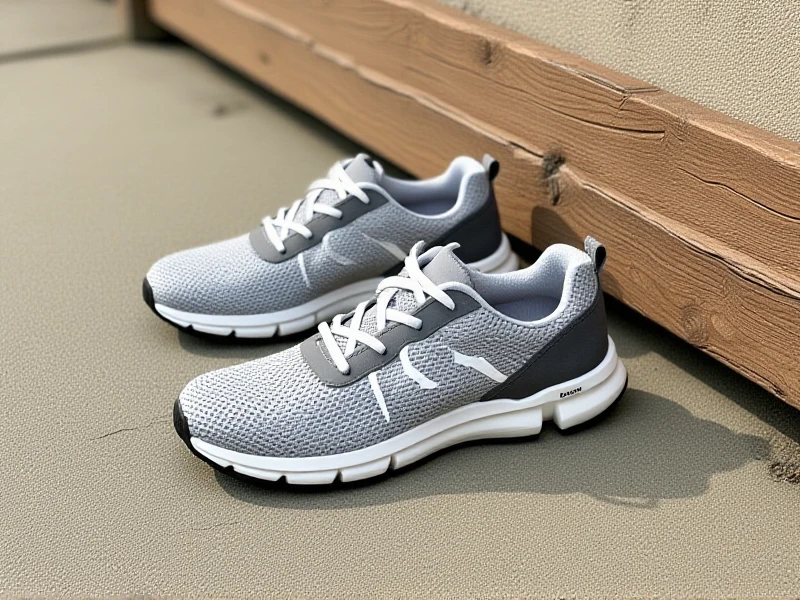
Unbeatable Comfort: Your Guide to Choosing the Perfect Sports Shoes
Finding the right sports shoes is crucial for peak performance and injury prevention, whether you're a seasoned athlete or a weekend warrior. With countless brands and models flooding the market, selecting the best fit can feel overwhelming. This guide simplifies your search, focusing on the essential factors for optimal comfort, support, and performance.
The foundation of any great pair of sports shoes begins with understanding your activity. Running shoes prioritize cushioning and forward motion support, while basketball shoes demand superior ankle support and lateral stability for quick cuts. Cross-training shoes offer versatility for gym workouts, balancing flexibility and support. Wearing running shoes for tennis courts, for instance, increases injury risks.
Next, consider your foot type and gait. Do you overpronate (feet rolling inward), underpronate (feet rolling outward), or have a neutral stride? Many specialty running stores offer gait analysis. Choosing sports shoes designed for your specific mechanics ensures proper arch support and corrects imbalances, preventing common problems like plantar fasciitis or shin splints. Look for features like medial posts in stability shoes or specific cushioning technologies in neutral shoes.
Fit is non-negotiable. Always try on sports shoes in the afternoon when feet are slightly swollen, replicate how they would be during activity. Bring your typical workout socks. Ensure a full thumbnail's width of space between your longest toe and the shoe's end. The heel should fit snugly without slipping, and the midfoot should feel secure without pinching. Walk or jog around the store! Uncomfortable sports shoes during a trial will cause pain later. Remember, sizes vary significantly between brands and even models.
Cushioning level preferences are personal and activity-dependent. While maximal cushioning absorbs heavy impact for long runs, minimalist shoes promote ground feel and natural foot movement suited to specific training styles like agility drills. Breathable mesh uppers keep feet cool during intense sessions. Consider durable rubber outsoles with patterns designed for your primary surface – deep lugs for trails, smoother patterns for roads, specialized herringbone for courts. Quality sports shoes represent an investment in performance, comfort, and long-term foot health. Prioritize fit, function, and the demands of your sport to find your perfect match.