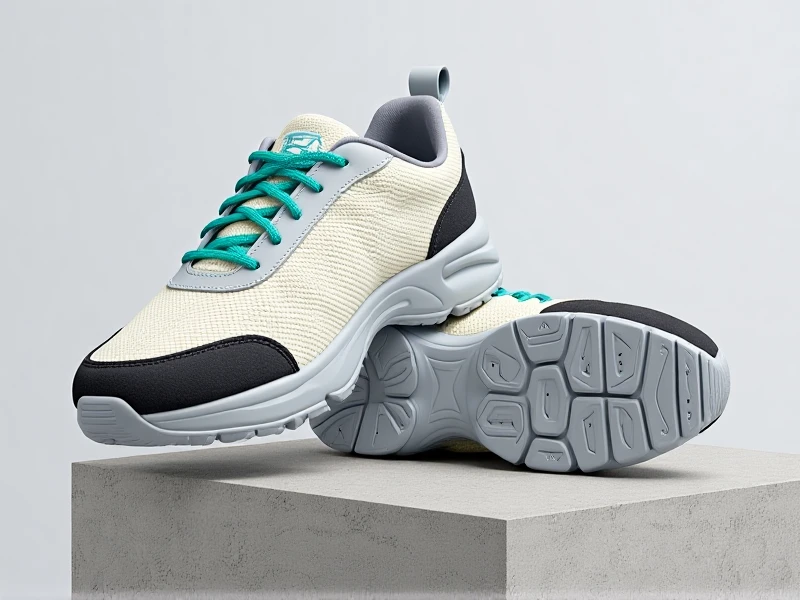
Step Up Your Game: Your Ultimate Guide to Choosing Sports Shoes
Finding the perfect pair of sports shoes isn't just about style; it's fundamental to performance, comfort, and preventing injury. Whether you're crushing miles on the pavement, dominating the basketball court, or hitting the gym floor, the right sports shoes act as your foundation. But with endless options, how do you pick? Let's break down the essentials.
Why the Right Sports Shoes Matter
Think of your sports shoes as essential equipment, not an accessory. Ill-fitting or inappropriate footwear can lead to blisters, shin splints, joint pain, and even long-term injuries. Conversely, shoes designed for your specific activity provide crucial support, cushioning, stability, and traction. They enhance your movement, absorb impact, and help you achieve peak performance efficiently and comfortably.
Key Features to Consider in Sports Shoes
- Foot Type & Gait: Understand your arch type (flat, neutral, high) and pronation (how your foot rolls inward when walking/running). Specialty running stores often offer gait analysis – invaluable for finding shoes that correct or accommodate your natural movement.
- Cushioning: Vital for shock absorption, especially in running shoes. Levels range from minimal (like racing flats) to maximum (great for heavier runners or joint sensitivity). Materials like EVA foam, PU, and proprietary gels (Nike Air, Adidas Boost, Asics Gel) offer different feels and responsiveness.
- Support & Stability: Crucial for overpronators or those needing extra support. Look for features like medial posts, firmer midsole materials on the inner side, or structured heel counters to control excessive inward rolling.
- Fit: Probably the most critical factor. Your sports shoes should fit snugly but not tightly, with about a thumb's width of space from your longest toe to the end. Your heel should be locked in without slippage. Width is also key – don't force narrow feet into wide shoes or vice-versa. Try shoes on later in the day when feet are largest, and wear your intended sport socks.
- Activity & Surface: This dictates design. Running shoes prioritize forward motion cushioning. Basketball shoes focus on ankle support and lateral stability. Cross-trainers offer versatility for gym workouts. Trail runners have aggressive lugs for off-road grip. Tennis shoes emphasize lateral support and durability. Always choose sports shoes designed for your primary activity.
- Breathability & Weight: Mesh uppers keep feet cool and reduce weight, enhancing agility for speed-based sports. Some sports might prioritize durability over breathability.
Finding Your Perfect Sports Shoes
- Know Your Sport: Basketball, running, soccer, tennis, hiking, gym training? Start here and narrow your search.
- Assess Your Feet/Gait: Get familiar with your arch and pronation pattern.
- Prioritize Fit: Don't compromise. Spend time trying different brands and models. Sizes can vary significantly.
- Focus on Function: While aesthetics matter, performance features are paramount. Try shoes on and move around in them.
Investing in well-fitted, activity-specific sports shoes is investing in your athletic journey, health, and enjoyment. Ditch the discomfort and potential injuries. Visit a reputable sports store, get evaluated if possible, and trial those kicks! Stepping into the right sports shoes genuinely feels like stepping up your game. Consult foot specialists for persistent pain or specific orthotic needs.